Simon Pinkas

Objects, apps and websites that ask what technology is doing to us.

Designer and developer from Lausanne · Senior Lecturer at HEIG-VD

Work 01 of 17RectoVerso · 2026
RectoVerso 2026

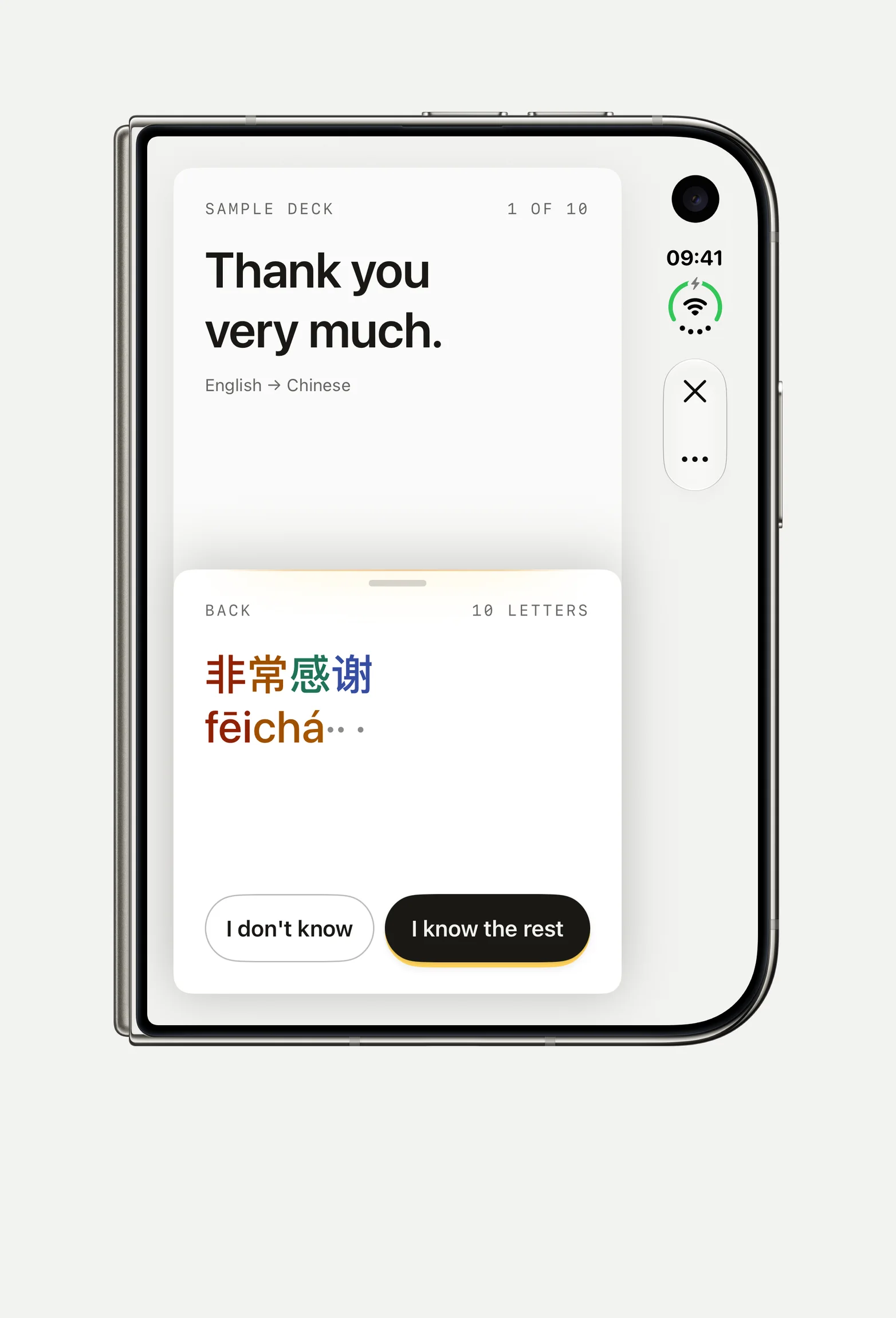
What if a flashcard could tell how well you knew the answer, without asking you?

A spaced-repetition flashcard app. The answer arrives letter by letter, and you stop when you know it. You never rate yourself, since people are poor judges of what they know: the letters you needed are the measure, and the scheduler works from them.

Made first for iPhone Duo, where the answer sits on the other side of the fold. Anki decks come in and go back out. No account, no tracking; you pay once.

Medium
iPhone app
Materials
Swift, FSRS-6, the hinge of iPhone Duo
Status
On the App Store from 23 October 2026.
Links
rectoverso.code-think.com
Press kit

Work 02 of 17Superclass · 2026

Superclass 2026

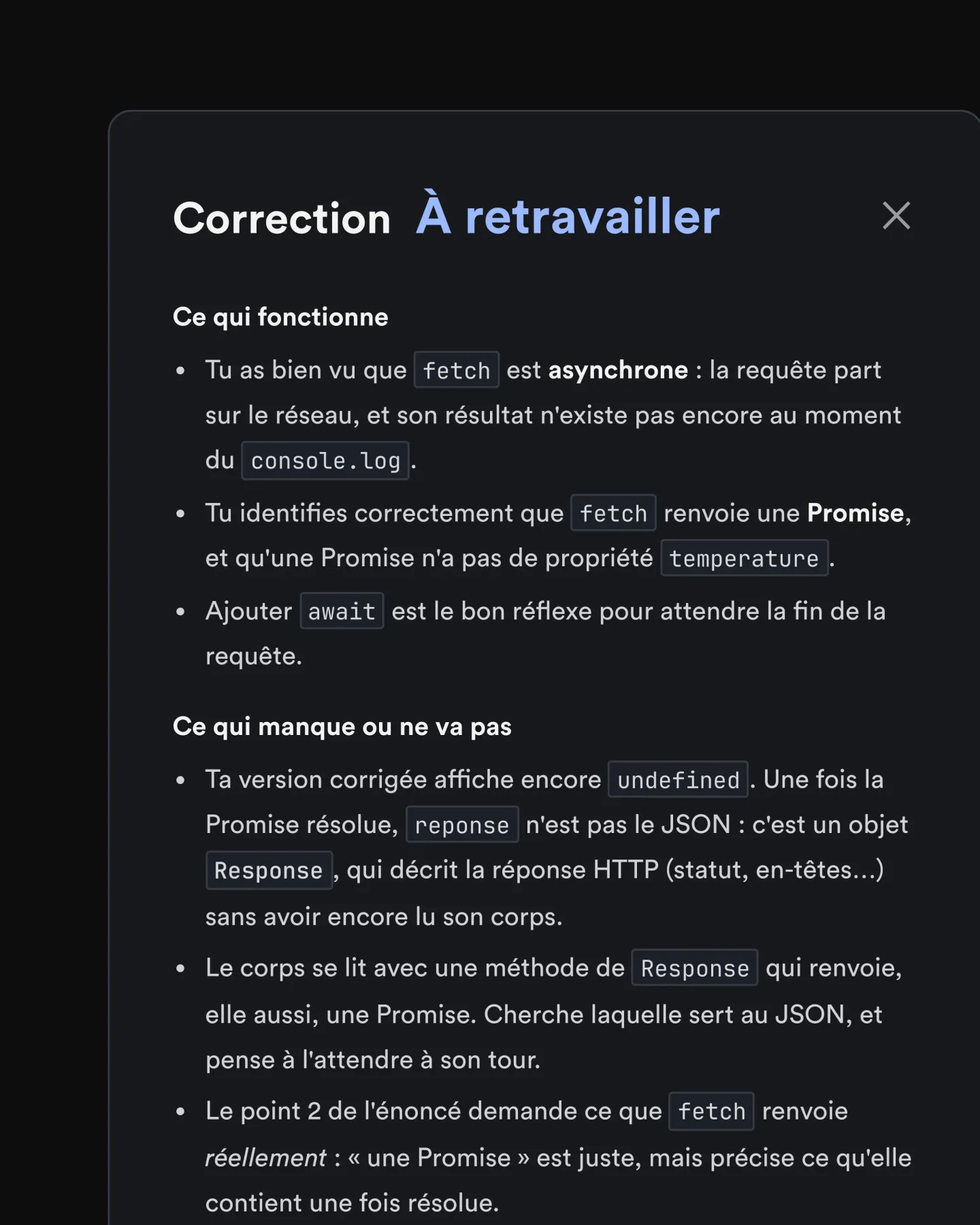
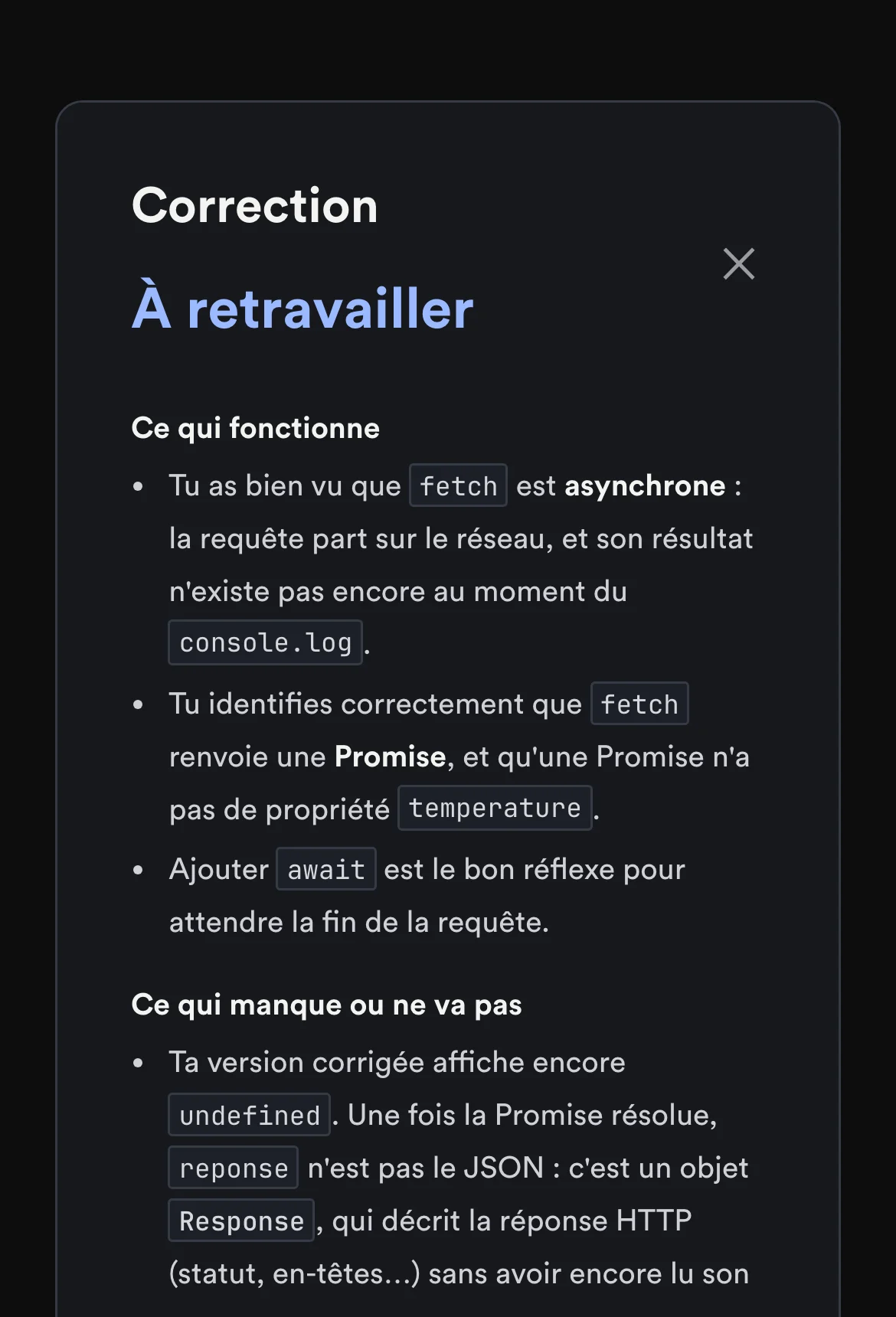
What if an AI gave students useful feedback on their code, without grading them?

A template for self-hosted course platforms, written for my own teaching. Students sign in with GitHub, work through weekly sessions and in-browser exercises, and hand in challenges as repositories.

An AI reviewer answers with « Validé » or « À retravailler » and a checklist of what is missing, never a mark. Progress is only ever shown as anonymous class totals, “14/26 have done this exercise”: no names, no leaderboards.

Medium
Course platform template
Materials
Astro, Supabase, Sandpack, Claude
Status
In use for Networks and development tools, HEIG-VD, autumn 2026. Source not public.

Work 03 of 17Outrage! · 2019

Outrage! 2019

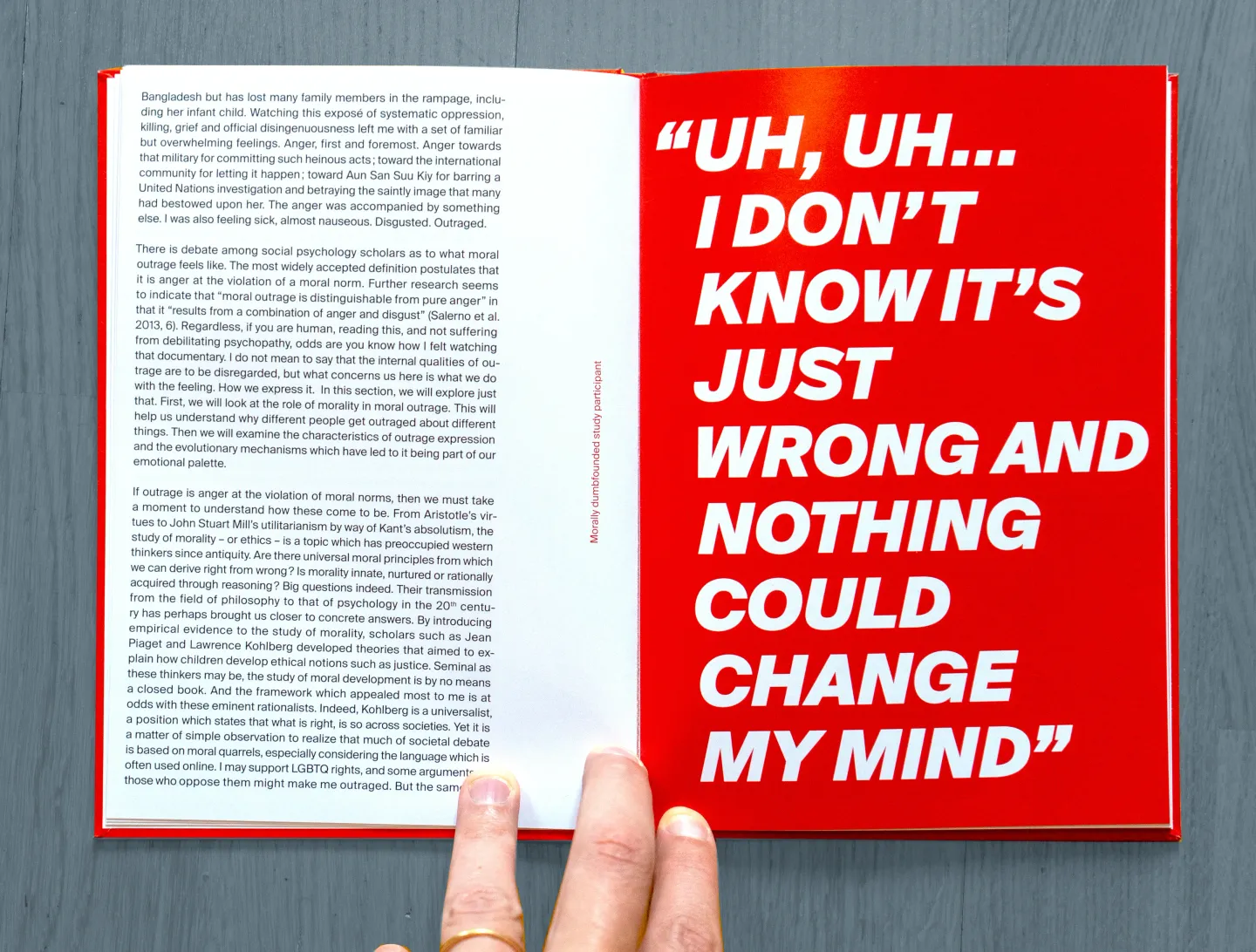
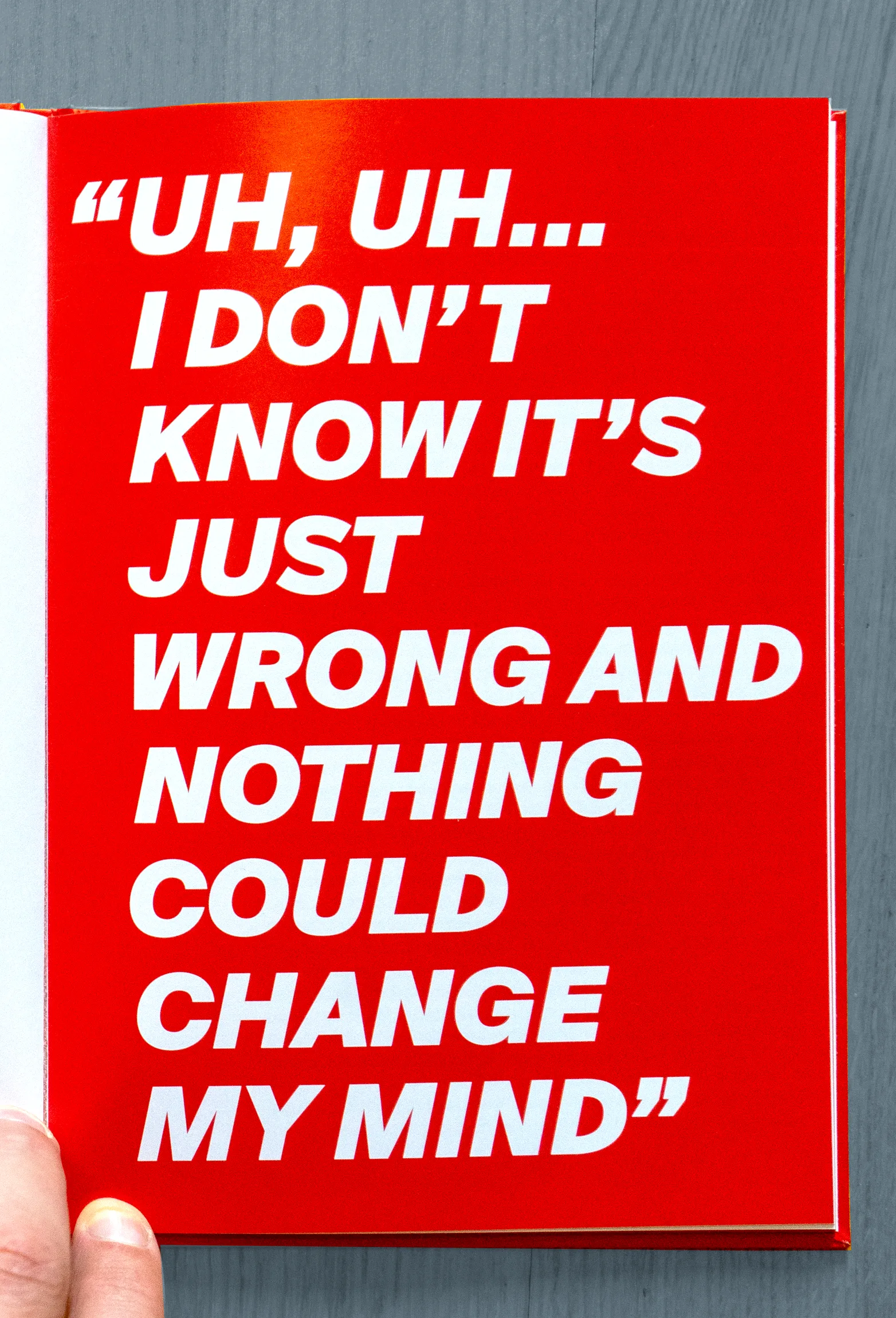
What if your outrage is Facebook’s business model?

Why did moral indignation become the default way of doing politics on Facebook? The thesis looks for answers in psychology, neuroscience, philosophy and media ecology, and in a close reading of Facebook’s business model.

Medium
Master’s thesis, HEAD–Genève
Materials
“(Social) Media and the Coaxing of the Moral Mind”
Status
Excerpt published in ISSUE Journal of Art and Design no. 4.
Links
Thesis (PDF, 3.5 MB)
Essay in ISSUE no. 4

Work 04 of 17Akrasia · 2019

Akrasia 2019

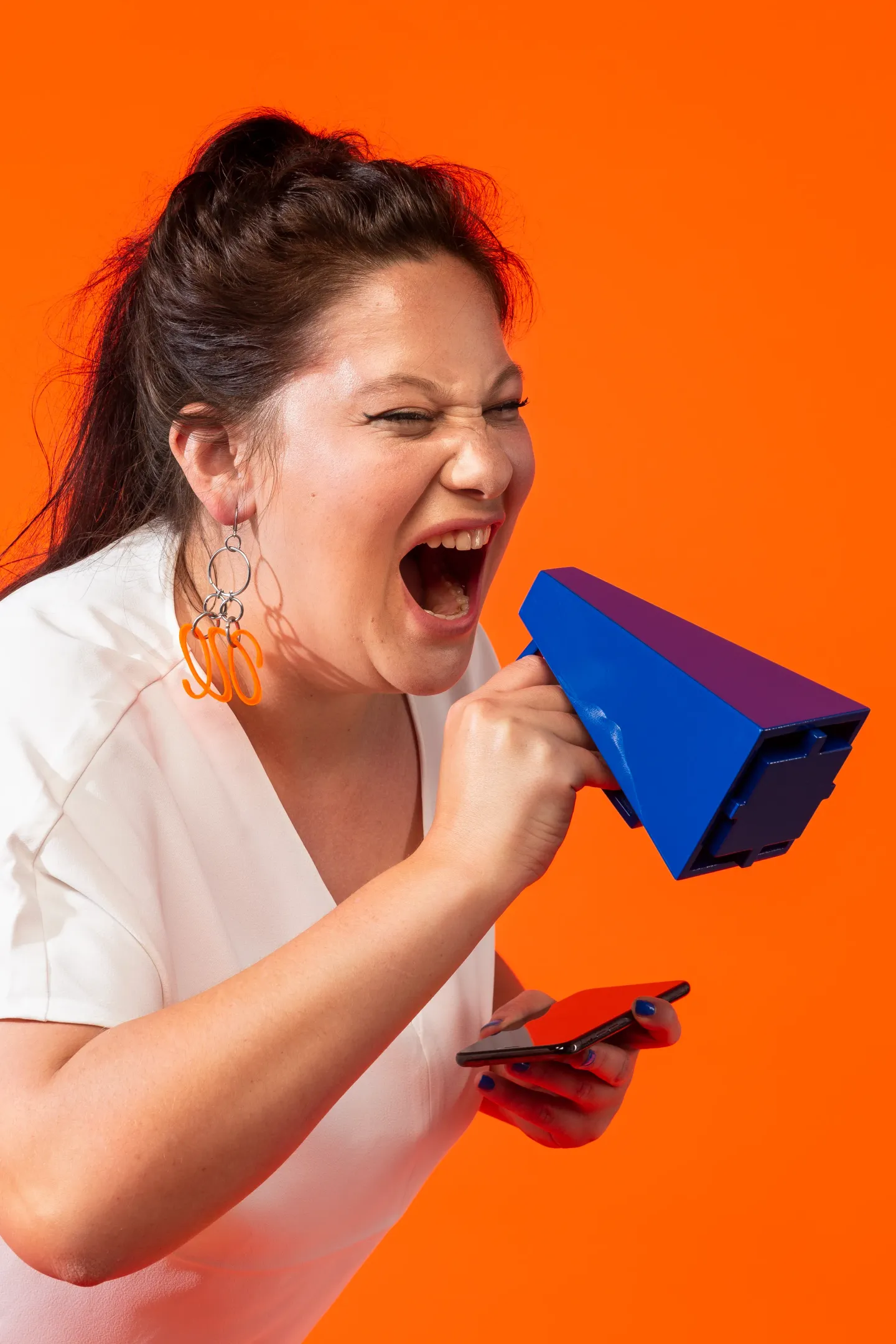
What if you had to scream into a megaphone before every angry tweet?

A toolkit against emotional incontinence on Twitter. You write or retweet in the app; it reads the emotion and tone of the text and sends you to one of three objects before anything is posted.

Anger or joy: scream into the megaphone for five seconds; the countdown only starts once the microphone distorts. Fear, disgust or confidence: put on the mask and turn your tongue seven times in your mouth, as the French saying goes, while its sensors check that your cheeks touch the metal plates. Sadness, hesitation, analysis, or nothing at all: flip the timer and wait fifteen seconds. Flip it back to cancel.

Medium
Connected objects and smartphone app
Materials
Megaphone, mask, timer, smartphone; microphone, capacitive sensors, inertial measurement unit, inductive charging; ESP, MQTT, Unity, Twitter API
Status
Dormant. Twitter closed its free API in 2023, and Akrasia can no longer read what you write.
Photos
Raphaëlle Mueller © HEAD

Work 05 of 17Interactive Replicas · 2019–20
Interactive Replicas 2019–20

What if a museum let you touch everything?

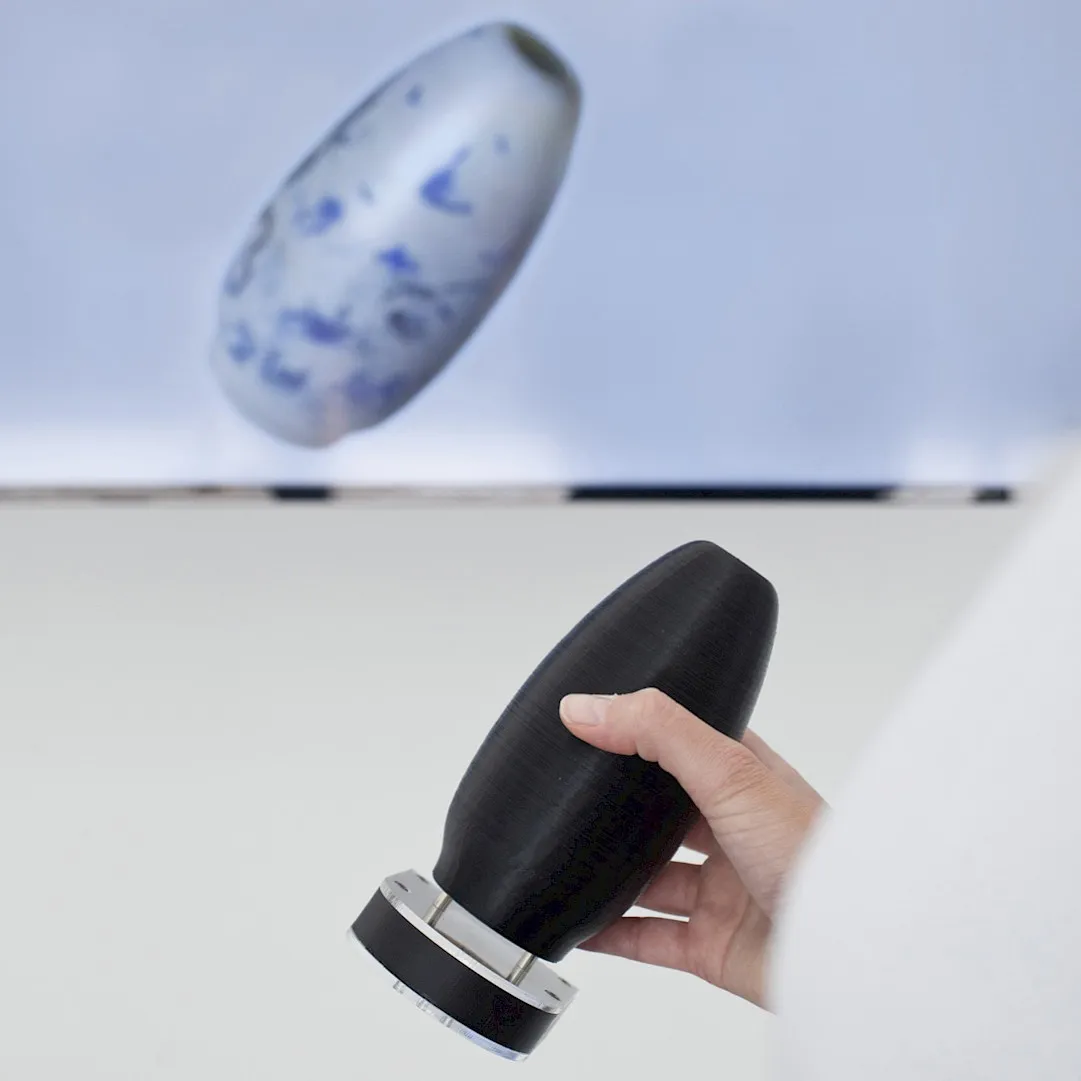
Miniature replicas of works from MUDAC’s collections (ceramics, design, glass), 3D-printed in different materials and used as controllers. Turning a replica in your hand turns its scan on the screen and brings up what the museum knows about it.

Made during INT Studio’s residency at MUDAC, as an experiment in non-linear storytelling: handling shapes the information, and the information shapes the handling.

Medium
Interactive, tangible replicas
Materials
3D-printed replicas, ESP, MQTT, Unity
With
INT Studio
Shown at
MUDAC, Lausanne; Musée cantonal des Beaux-Arts, Lausanne
Links
MUDAC announcement, 2019 (archived)

Work 06 of 17Jeeves + Cosmic Encounters · 2018
Jeeves + Cosmic Encounters 2018

What if a sculpture lit up every time a speaker said a buzzword?

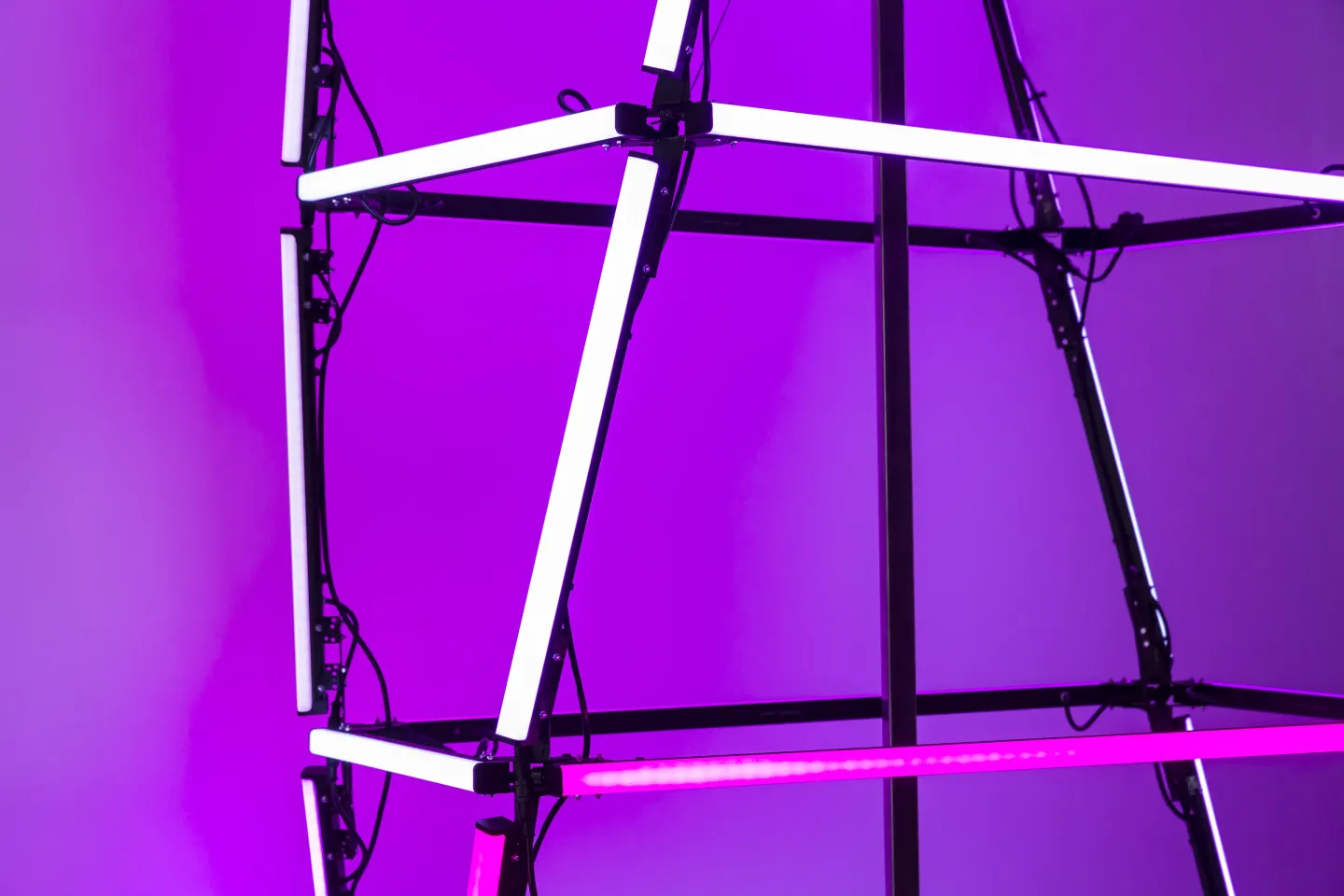
Two totems of light, programmed twice. During the talks, Jeeves was wired to the podium microphone: it spelled out the speakers’ words letter by letter, and broke into animation whenever someone said “artificial intelligence”, “crypto” or “Anthropocene”.

During the concerts, Cosmic Encounters scanned the sky over Geneva and lit up each time a satellite passed above the festival.

Medium
Light totems, two programmes
Materials
LED tubes, MadMapper, WebSockets
With
Romain Talou, Rémi Opalinski, GarageCube
Shown at
Mapping Festival, Geneva
Photos
M. Giesbrecht © HEAD

Work 07 of 17Octator · 2018

Octator 2018

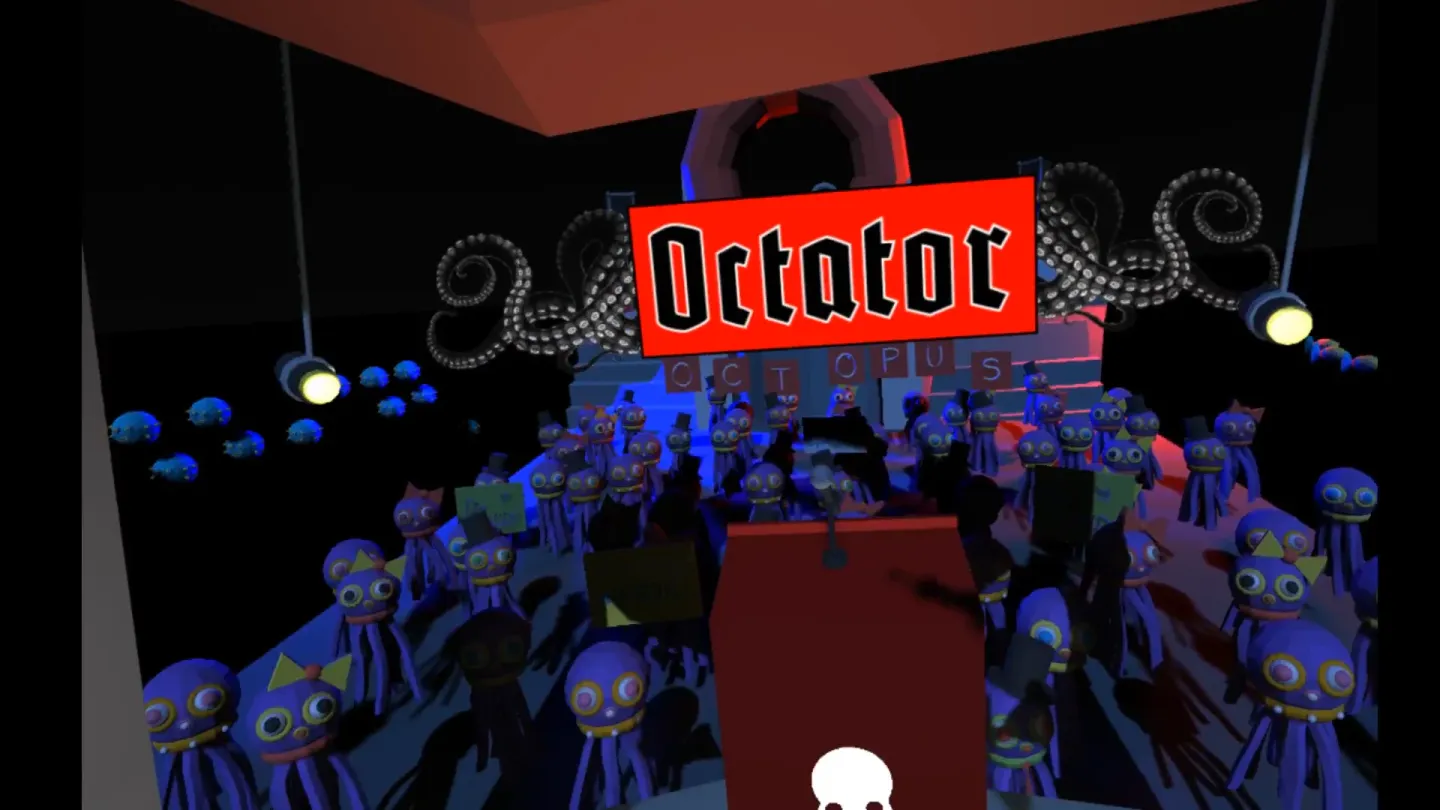
What if demagoguery were a rhythm game, and you were an octopus?

A rhythm game for aspiring dictators. In virtual reality you are an octopus at a podium, facing a crowd of octopuses, and you have to deliver the speech and wave your tentacles in time with it.

Made during a workshop with the VR studio Apelab, in the Media Design master at HEAD–Genève.

Medium
Virtual reality rhythm game
Materials
HTC Vive, Unity
With
Pierre Cottanceau, Ghofran Akil

Work 08 of 17Boone · 2018

Boone 2018

What if your compass refused to take you anywhere you’d already been?

A connected compass that points to the unknown instead of north. As you move through the world it records where you go and builds a map of everywhere you’ve been, then points you to the nearest way out of those personal borders, projecting the direction onto your hand.

Medium
Anti-navigation device
Materials
Compass, LED ring, Arduino, GPS
Links
Video

Work 09 of 17Petzi · 2018

Petzi 2018

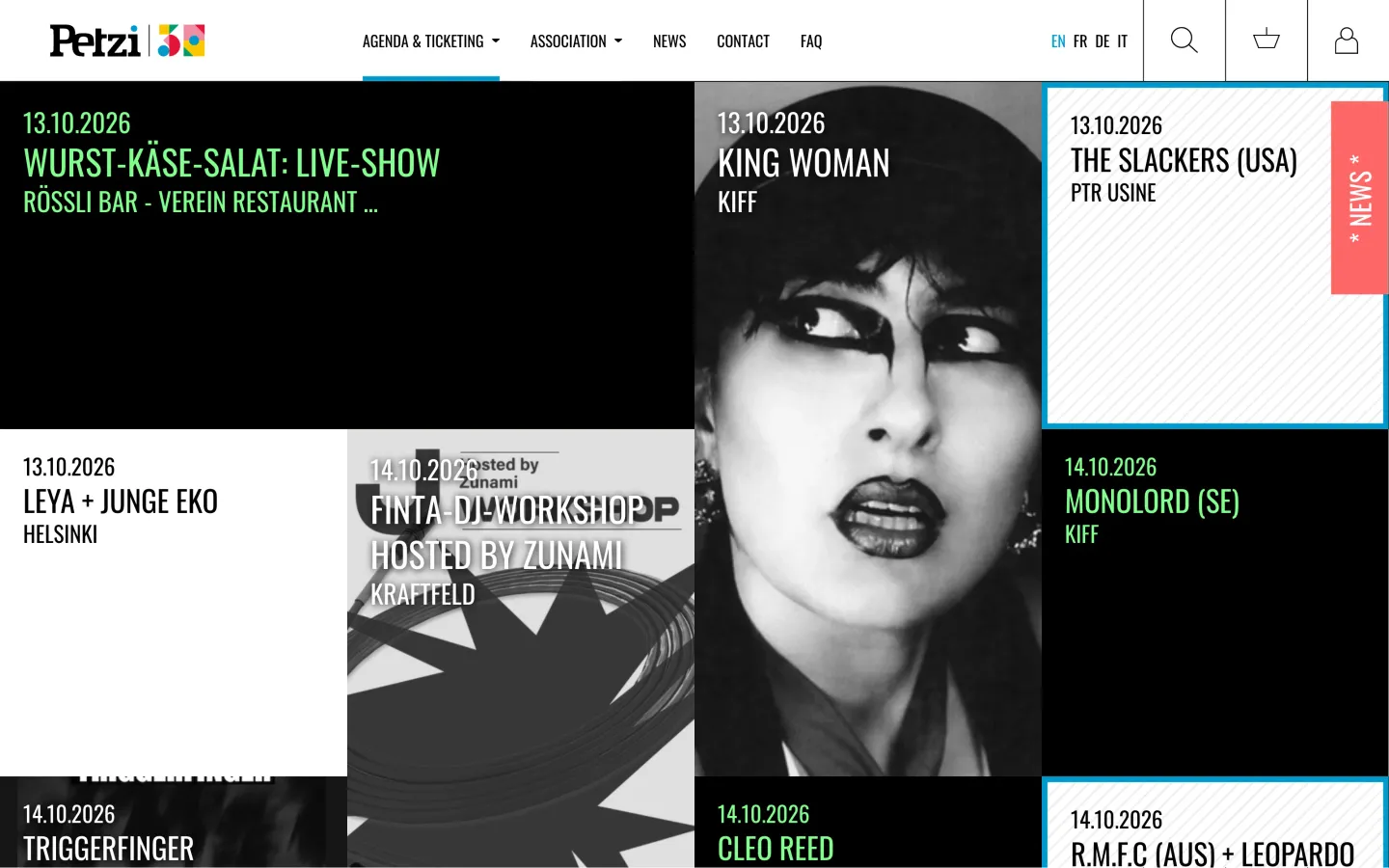
What if 190 independent venues shared one ticketing system, fairly?

Petzi is the federation of Swiss non-profit music venues and festivals, more than 190 of them across 20 cantons and three language regions, and it runs their ticketing. I joined its rebuild in 2017, on design, front end and back end; the new platform launched in early 2018, mostly on volunteer time.

The hard parts came with the scale: keeping visibility fair between clubs, and keeping buyers secure and anonymous.

Medium
Ticketing platform, rebuilt
Materials
Python, Django, Oscar
With
Petzi web workgroup
Status
Still running petzi.ch in 2026, eight years after launch.
Links
petzi.ch

Work 10 of 17Morocracy · 2017

Morocracy 2017

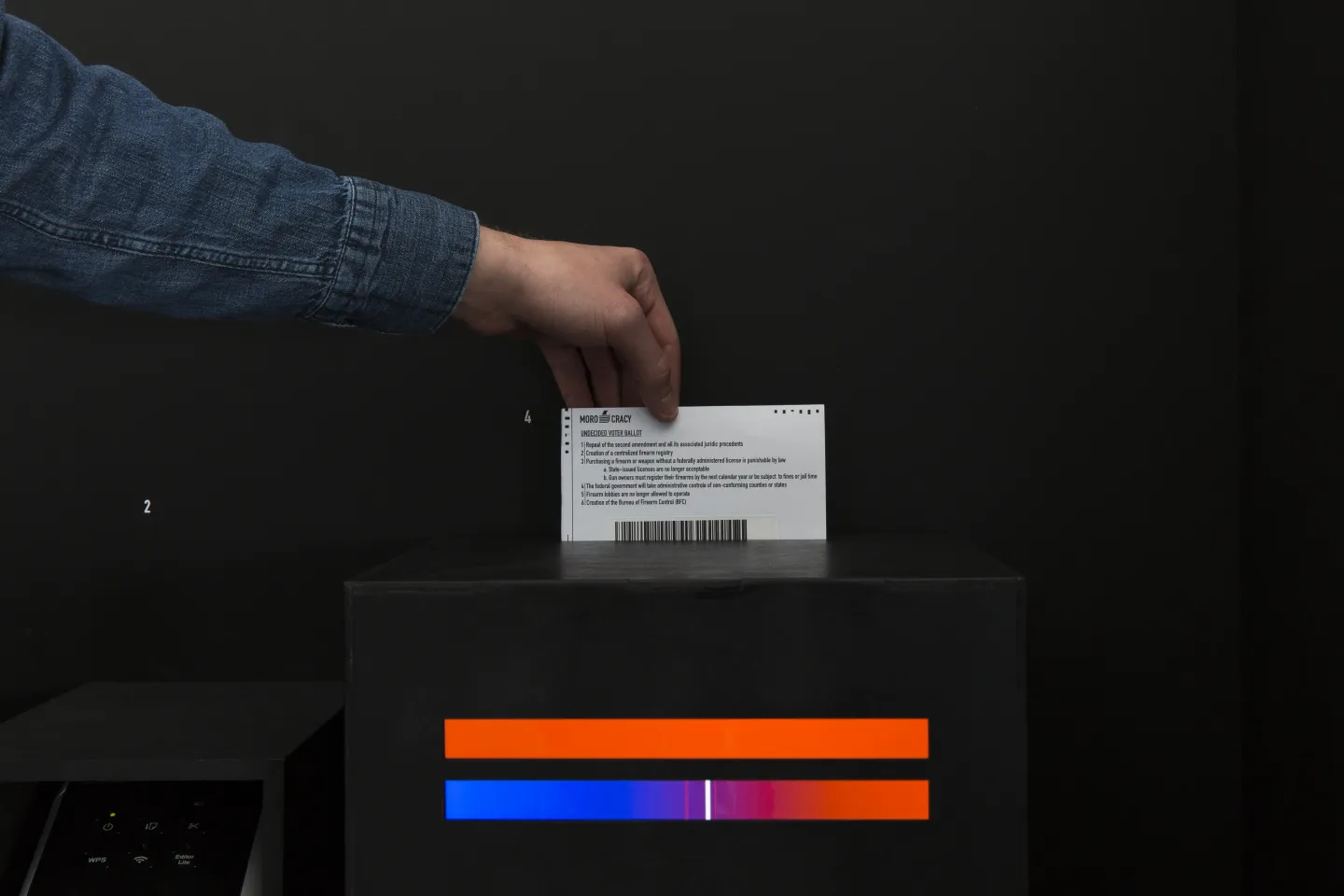
What if your demographics voted for you?

A scenario in which voting is mandatory and blank votes are forbidden. For the undecided, a machine will vote on your behalf.

Fill in a short demographic form (age, race, state, marital status) and it prints a sticker with your partisan profile, built from data on the 2016 US presidential election. Stick it on your ballot, slip it into the box, and the machine does the rest.

Medium
Deterministic voting system
Materials
Ballot box, sticker printer, Raspberry Pi, SciPy, Angular, 2016 US election data
Photos
Yvan Alvarez © HEAD

Work 11 of 17Ditherer · 2016

Ditherer 2016

What if putting an avocado in your cart took you to George W. Bush’s living room?

Commissioned by Ballroom Marfa. Visitors in a Vive headset walk an endless warehouse stacked with boxes: avocados, Blu-rays of The Universe: Mega Collection, jet-lag pills.

Pick something up and it carries you somewhere hallucinated. The avocado puts you in the back of a pickup truck, driving through green hills and reversing into George W. Bush’s open-air living room.

Medium
Speculative shopping in virtual reality
Materials
HTC Vive, Unity
With
The Institute for New Feeling
Shown at
Ballroom Marfa, This is Presence
Links
Ballroom Marfa
Walkthrough video
Source

Work 12 of 17Future Emails · 2016

Future Emails 2016

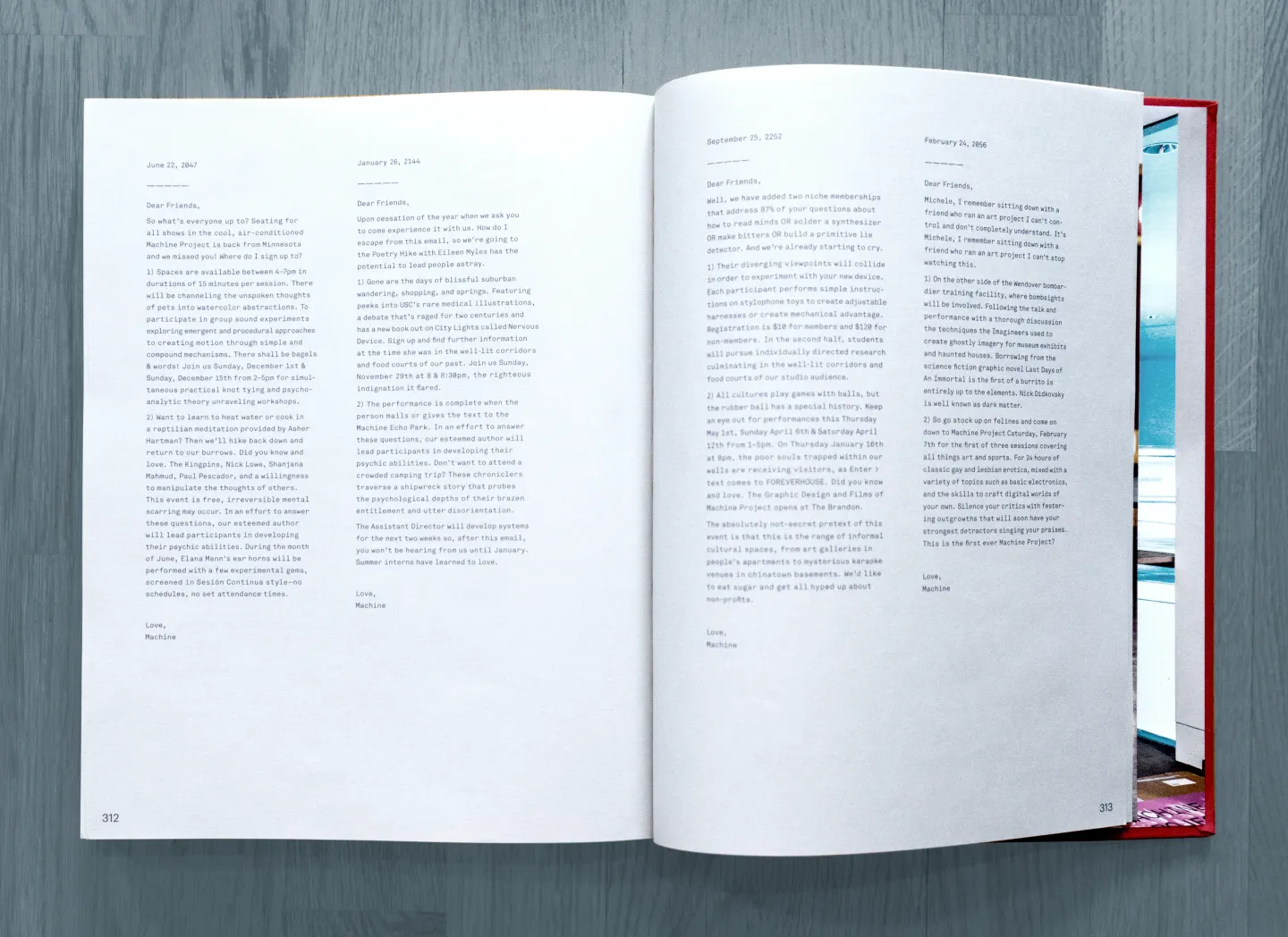
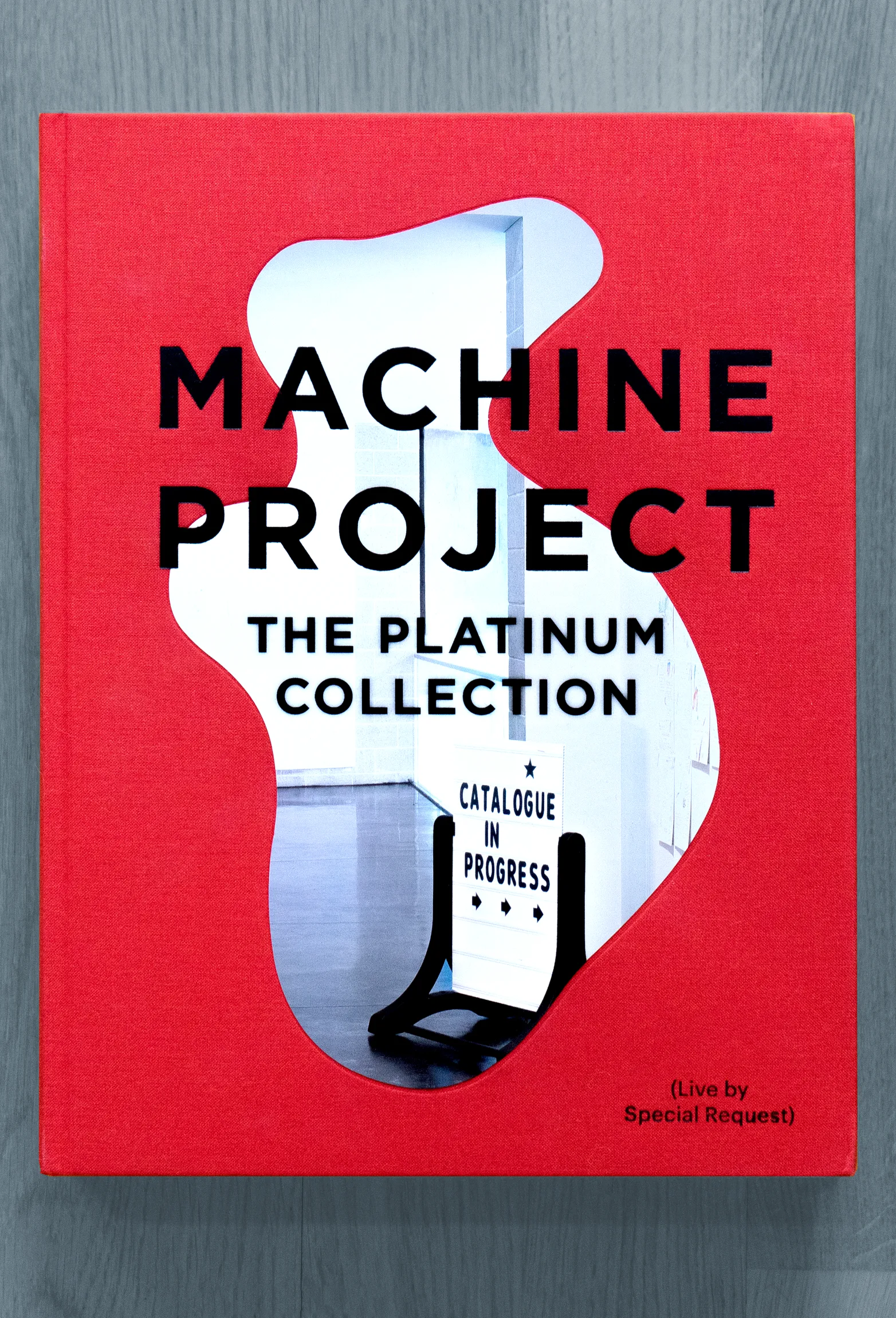
What if Machine Project’s newsletters were written by an actual machine?

Machine Project asked me to analyse the newsletters it had sent over fourteen years, for a book on the gallery’s history. I first traced its language through time; “vegetable”, “fish” and “meat” turned out to be negatively correlated.

Then I generated newsletters set in the future. A selection is printed in the book, and a series of events based on the algorithm took place in 2016.

Medium
Generated newsletters
Materials
RiTa, p5.js, Voyant Tools, 14 years of newsletters
With
Machine Project, Los Angeles
Status
Published in Machine Project: The Platinum Collection (2017).
Links
The book

Work 13 of 17Factoid · 2016

Factoid 2016

What if you could play with atlas data?

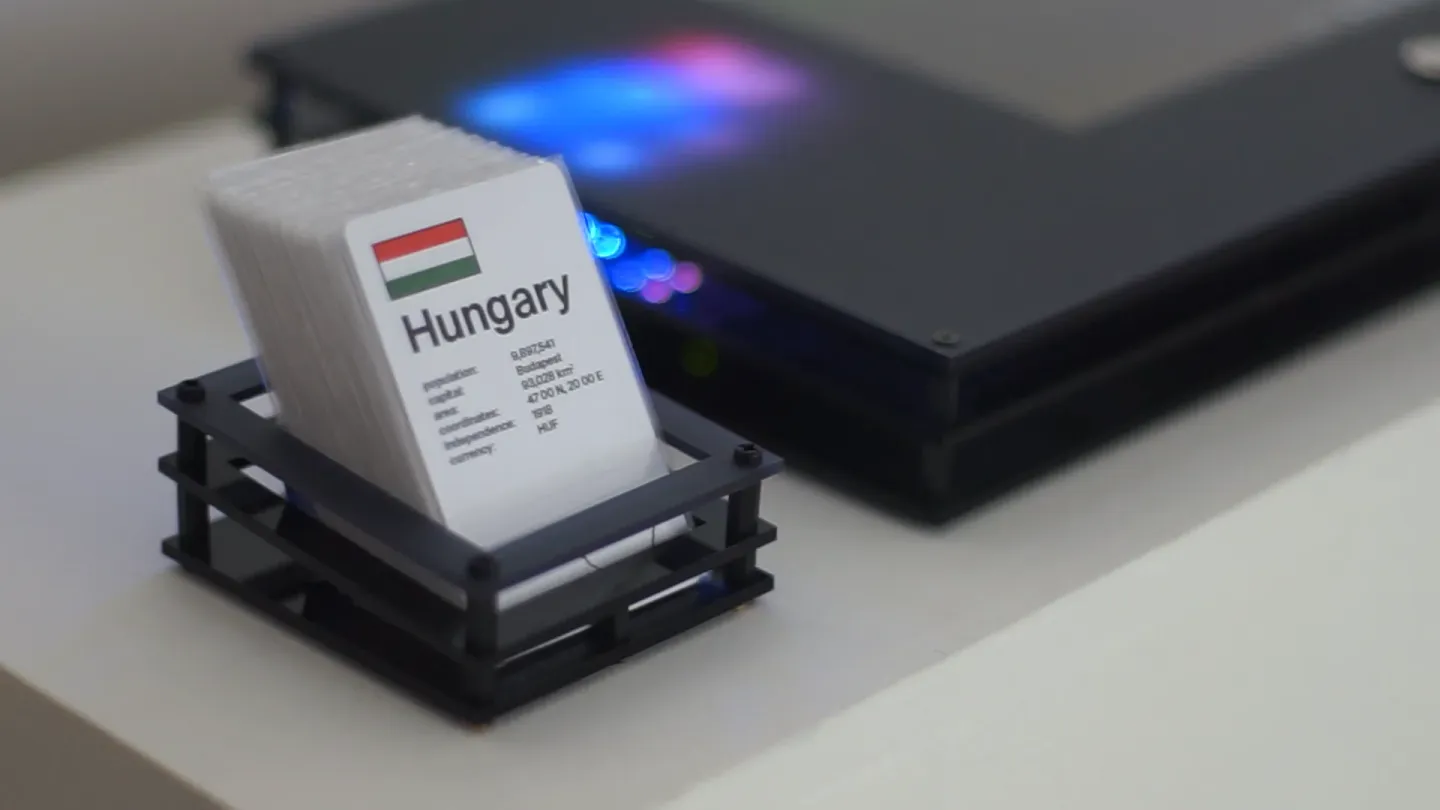
Which country drinks the most wine per person? The Vatican, at 62.2 litres a year. I’ve always liked books of facts and figures, like The Economist’s World in Figures, and found it a little unsettling that a country can be distilled into a few numbers. Factoid tries to hold both feelings.

Each player has 32 cards, one per country. A question from the OECD’s Better Life Index appears on the screen; each player plays the country they think fits best, and the board compares them. Watching people play, the game mostly undoes their assumptions about other countries.

Medium
Augmented comparative card game
Materials
32 cards, RFID, LED matrices, Arduino, Raspberry Pi, Processing, OECD Better Life Index
Links
Video

Work 14 of 17Counterforce Lab · 2016

Counterforce Lab 2016

What if a lab’s identity showed how one push sets a whole system moving?

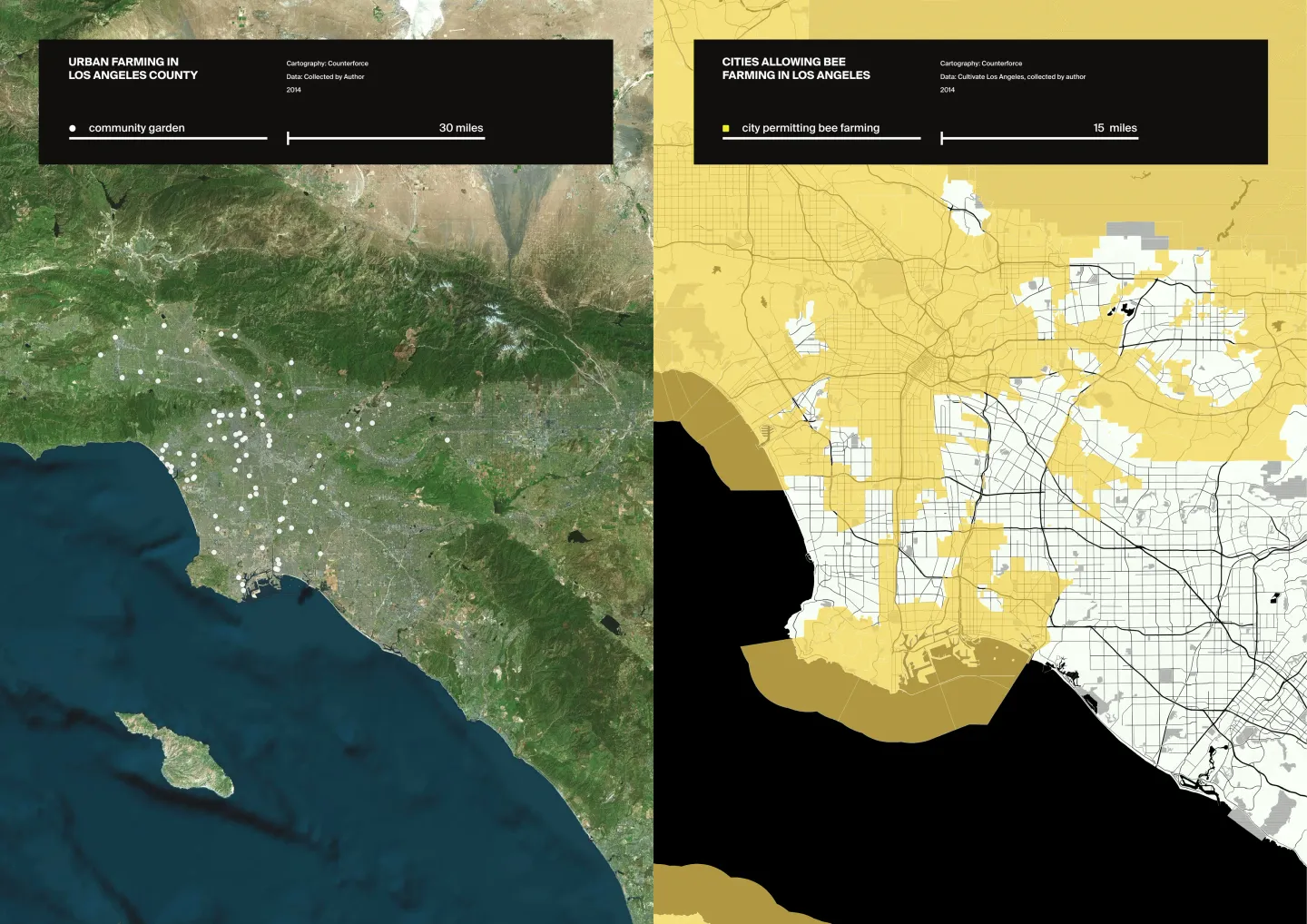
Counterforce Lab is a research and field studio at UCLA, led by Rebeca Méndez, that brings art and design to the environmental and social crises of our time. Its identity starts from a Newton’s cradle: a push at one end, and the whole system moves.

The identity came with a publication on four problems in Los Angeles: the human cost of the Porter Ranch methane leak, urban farming, sprawl and invasive species. Each chapter opens with a series of maps.

I came up with the identity, which Noopur Goel then refined, drew the opening maps and designed the publication’s structure.

Medium
Identity, publication, cartography
Materials
CartoDB, QGIS
With
Noopur Goel, Danielle Hollander, Lauren Nipper, Bowan Hesslegrave, Jason Lee
Links
counterforcelab.org

Work 15 of 17All Houses Dream in Blueprints · 2015
All Houses Dream in Blueprints 2015

What if a playlist could take you back to your first apartment?

An interactive mixtape set in a reconstruction of the studio I lived in from 2008 to 2010. Each song transforms the room, carrying something objective (timbre, lyrics) and something subjective (memories) of the track.

The objects fall into two groups: the ones I still own were 3D-scanned; the ones I got rid of were roughly modelled in Maya. Playable on Oculus Rift or an ordinary screen.

Medium
Virtual reality mixtape
Materials
Unity, Maya, Oculus Rift, 3D scans
Links
Video

Work 16 of 17Epilepsy · 2014

Epilepsy 2014

What if colour theory were a contact sport?

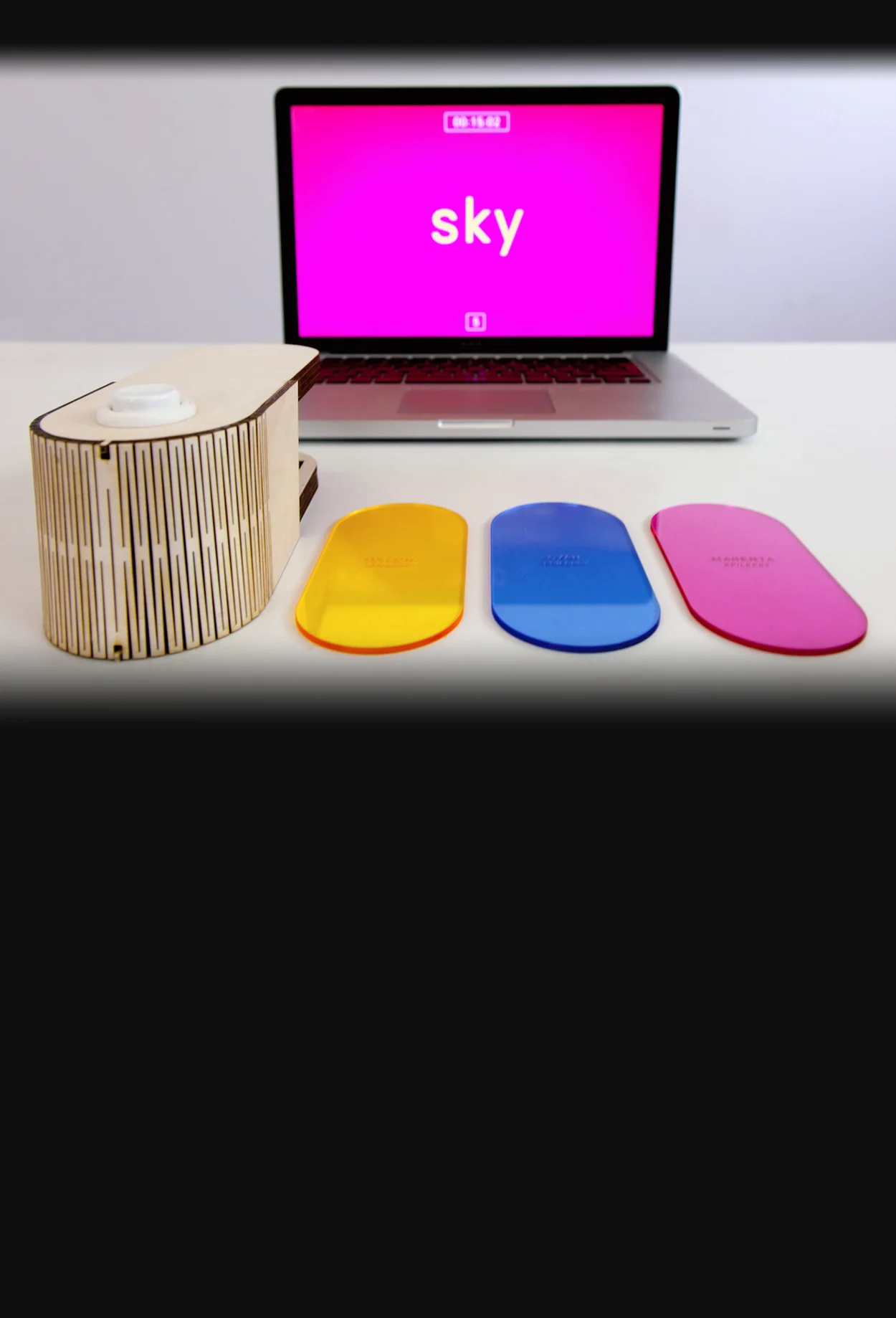
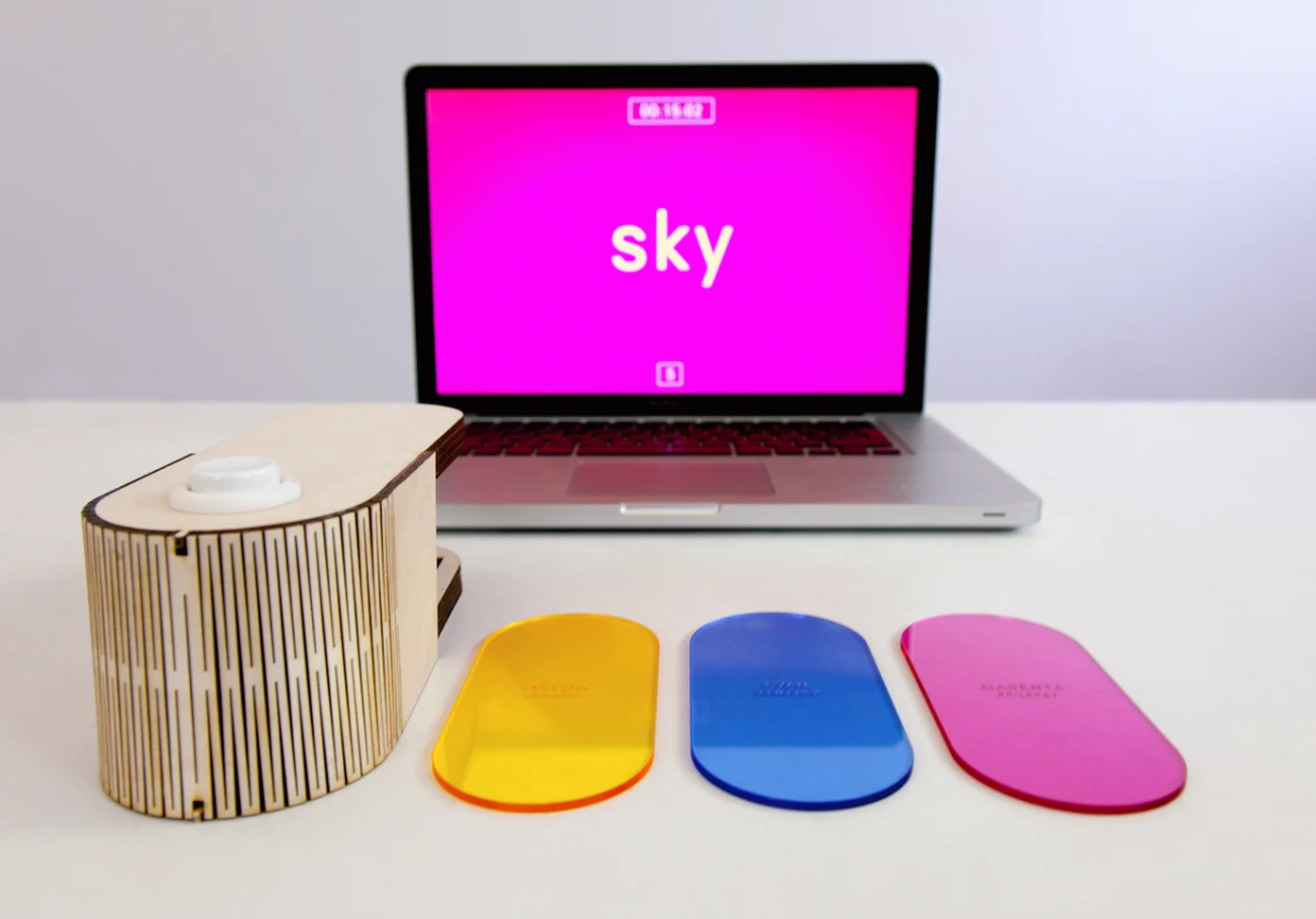
A fast colour-matching game for two players. The screen shows a word that hints at a colour: a single word, a whole sentence, sometimes on a misleading background.

Players stack transparent acrylic cards to mix the matching hue, slot them into the reader and press the button. Whoever has the most points when time runs out wins.

Medium
Tangible colour game for two
Materials
Transparent acrylic cards, colour sensors, Arduino
With
Camille Morizot, Stephen Ou

Work 17 of 17Sonotone · 2012

Sonotone 2012

What if a webzine came out once a month, as if it were still printed?

« Le Webzine Musical Suisse-Romand »: dossiers, interviews, concert reports and reviews, published as monthly issues rather than a feed. I wrote for it and designed it.

The last issue went out on 1 July 2014, with an editorial titled “Why Pitchfork sucks in 2014”.

Medium
Monthly music webzine for French-speaking Switzerland
Materials
Writer and designer, 2009–14
Status
Still online, frozen on its last issue.
Links
sonotone.ch

About

What I do

Mostly, things that ask what technology does to feelings, culture and learning.

Now

Senior Lecturer at HEIG-VD since 2022: web development, teaching and research.

Before: Eracom, 2019–22.

MA Media Design, HEAD–Genève, 2019. BA Design Media Arts, UCLA, 2016.

With

Apelab, Fragmentin, The Institute for New Feeling, INT Studio, Irascible, Janine, Machine Project, Mapping Festival, Media Engineering Institute, Metaa, Nox Orae, Petzi, Rebecca Allen, Reso – Fête de la Danse, Vitesse Records, UCLA Game Lab, UCLA Counterforce Lab.

Contact

simon@code-think.com

Press for RectoVerso: rectoverso.code-think.com/press

Updated 13 October 2026. Previously updated in 2017.

Index